
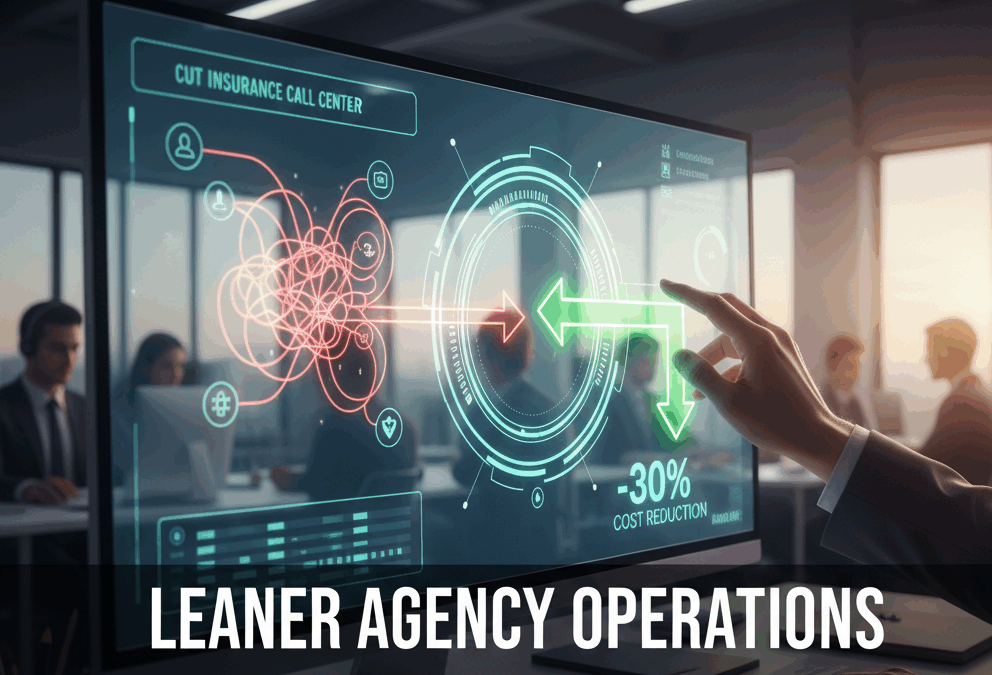
Cut Insurance Call Center Costs: Smart Strategies for Leaner Agency Operations
In today’s competitive insurance landscape, managing operational costs is paramount for agency profitability and sustainability. One significant area often ripe for optimization is the call center. These hubs of customer interaction, while vital, can quickly become expensive drains if not managed strategically. From high agent turnover and extensive training periods to inefficient processes and outdated technology, various factors contribute to ballooning expenses. This article delves into smart, actionable strategies designed to help insurance agencies streamline their call center operations, reduce costs, and ultimately foster a leaner, more agile business model without compromising crucial customer service quality. We’ll explore technological advancements, workforce optimization, and process re-engineering to achieve these critical goals.
The Hidden Drain: Unpacking Insurance Call Center Cost Drivers
Before implementing solutions, it’s crucial to understand the underlying causes of high call center costs within an insurance agency. Many factors contribute to these expenses, often quietly accumulating into a substantial financial burden. Identifying these “hidden drains” is the first step towards effective cost reduction.
- High Average Handle Time (AHT) and First Call Resolution (FCR) Issues: When agents spend too much time on calls, or customers need to call back multiple times for the same issue, labor costs skyrocket. This often stems from complex policy information, inadequate agent training, or fragmented information systems that require agents to toggle between multiple applications.
- Agent Turnover and Recruitment Costs: The insurance call center environment can be demanding, leading to high agent burnout and turnover. The constant cycle of recruiting, hiring, and training new agents is incredibly expensive, including costs for advertising, background checks, onboarding, and lost productivity during training periods.
- Inefficient Manual Processes: Many insurance call centers still rely on manual data entry, paper-based forms, or repetitive tasks that consume valuable agent time. These manual touchpoints are prone to human error, requiring rework and increasing AHT.
- Outdated Technology Infrastructure: Legacy systems often lack the integration capabilities needed for a seamless customer experience and efficient agent workflow. Maintenance of old systems can be costly, and their inability to support modern automation tools limits an agency’s ability to innovate and reduce manual effort.
- Shrinkage and Absenteeism: Unplanned agent absences, breaks, training, and other non-productive time (collectively known as shrinkage) require agencies to staff more agents than are actually available to take calls, adding to the payroll burden.
Understanding these specific cost drivers allows agencies to target their strategies effectively, moving beyond superficial cuts to implement deep-rooted, sustainable efficiencies.
Leveraging Technology for Operational Efficiency
Technology is no longer a luxury but a necessity for modern insurance call centers aiming for cost reduction and enhanced service. Strategic adoption of digital tools can significantly streamline operations, reduce human intervention for routine tasks, and improve overall efficiency.
- Intelligent Automation (RPA & AI): Robotic Process Automation (RPA) can automate repetitive, rule-based tasks such as data entry, claims processing, policy updates, and information retrieval. This frees up human agents to focus on more complex, empathetic interactions. AI-powered chatbots and virtual assistants can handle a high volume of basic inquiries (e.g., policy status, FAQs, document requests) 24/7, deflecting calls from human agents and reducing inbound call volume.
- Advanced Self-Service Portals: Empowering customers with robust self-service options via web portals or mobile apps can dramatically cut call volumes. Customers can manage their policies, pay bills, file basic claims, and access documents independently. An intuitive user interface and comprehensive knowledge base are crucial for adoption.
- Smart IVR (Interactive Voice Response) Systems: Modern IVR systems go beyond simple menu trees. They can use natural language processing (NLP) to understand customer intent, intelligently route calls to the most appropriate agent or self-service option, and even resolve simple queries without human intervention, leading to faster resolution and reduced agent time.
- Unified Communication Platforms: Integrating CRM, call management systems, and other back-office applications into a single platform provides agents with a 360-degree view of the customer. This reduces AHT, eliminates the need for agents to toggle between multiple screens, and improves data accuracy, leading to better First Call Resolution.
- Cloud-Based Contact Centers: Migrating to a cloud-based contact center offers scalability, reduced infrastructure costs, and greater flexibility for remote workforces. It also provides access to advanced analytics and reporting tools without significant capital expenditure.
By strategically implementing these technologies, insurance agencies can automate tasks, empower customers, and optimize agent workflows, leading to significant cost savings and improved customer satisfaction.
Optimizing Workforce Management and Agent Performance
While technology plays a pivotal role, the human element remains central to the insurance call center. Optimizing workforce management and investing in agent performance are critical for sustainable cost reduction and service excellence.
- Targeted Training and Upskilling: Well-trained agents are more efficient and achieve higher FCR rates. Invest in ongoing training that covers not only product knowledge but also soft skills (empathy, active listening) and the effective use of new technologies. Cross-training agents to handle multiple policy types or queues can improve flexibility and reduce idle time.
- Data-Driven Scheduling and Forecasting: Utilize robust Workforce Management (WFM) software to accurately forecast call volumes based on historical data, seasonality, and marketing campaigns. This enables precise staffing, minimizing overstaffing (which leads to idle time and higher labor costs) and understaffing (which leads to long wait times and customer dissatisfaction). Dynamic scheduling can adapt to real-time fluctuations.
- Performance Monitoring and Coaching: Regularly monitor key performance indicators (KPIs) such as AHT, FCR, customer satisfaction (CSAT), and quality scores. Use these metrics to identify areas for improvement, provide targeted coaching, and recognize high performers. Effective coaching can significantly improve agent efficiency and reduce errors.
- Agent Engagement and Retention Strategies: High turnover is a major cost driver. Foster a positive work environment, offer competitive compensation, provide clear career paths, and solicit agent feedback. Engaged agents are more productive, provide better service, and are less likely to leave, thereby cutting recruitment and training expenses. Consider flexible work arrangements, including remote work, which can broaden the talent pool and improve work-life balance.
- Quality Assurance (QA) Programs: Implement comprehensive QA programs that move beyond simply ticking boxes. Use call recordings and customer feedback to identify systemic issues in processes or training needs. Proactive QA reduces errors, improves compliance, and prevents costly escalations.
A well-managed, engaged, and highly skilled workforce is a powerful asset that directly contributes to reduced operational costs and an enhanced customer experience.
Process Re-engineering and Digital Transformation for Leaner Operations
Beyond technology and people, a holistic review of call center processes and a commitment to digital transformation are essential for achieving truly lean operations. This involves challenging existing workflows and redesigning them for maximum efficiency.
- Customer Journey Mapping: Analyze the entire customer journey, from initial inquiry to claims resolution, identifying all touchpoints and potential pain points. This helps uncover redundant steps, bottlenecks, and opportunities to shift interactions to more cost-effective channels (e.g., self-service, chat).
- Eliminating Redundant Steps: Many traditional insurance processes involve multiple approvals, manual hand-offs, and unnecessary data re-entry. Systematically identify and eliminate these redundant steps through automation or workflow redesign. For instance, integrate systems so policy information only needs to be entered once.
- “Digital-First” for Common Queries: Prioritize digital channels for common, simple inquiries. Guide customers towards self-service portals, chatbots, or email for routine questions, reserving phone channels for complex, urgent, or sensitive issues that truly require human empathy and expertise.
- Standardizing Workflows: Develop clear, standardized operating procedures for all common call types and processes. This ensures consistency, reduces agent discretion (and potential errors), and speeds up issue resolution. Regular reviews of these procedures ensure they remain optimized.
- Leveraging Data Analytics for Continuous Improvement: Implement robust analytics tools to track call reasons, resolution times, customer feedback, and agent performance. This data provides invaluable insights into recurring issues, areas of inefficiency, and opportunities for process improvement. Use these insights to iteratively refine processes and technological deployments.
- Outsourcing Non-Core Functions (Strategic Consideration): While the core customer experience should ideally remain in-house, consider strategically outsourcing non-core, high-volume, low-complexity tasks (e.g., specific back-office processing, overflow support during peak times) to specialized providers to achieve cost efficiencies without compromising critical customer interactions.
By proactively re-engineering processes and embracing a digital-first mindset, insurance agencies can fundamentally transform their call center operations, achieving significant cost reductions and improved service delivery.
Reducing insurance call center costs is not about cutting corners; it’s about building smarter, more efficient operations that benefit both the agency and its customers. By methodically addressing cost drivers through strategic technology adoption, optimizing workforce management, and re-engineering outdated processes, insurance agencies can achieve substantial savings without compromising the quality of service. From leveraging AI for automation and empowering customers with self-service tools to investing in agent training and fostering a data-driven culture, the path to leaner operations is multifaceted. Embracing these strategies will lead to a more agile, cost-effective call center, ultimately strengthening the agency’s financial health and competitive position in the dynamic insurance market. Start your transformation today to unlock greater efficiency and profitability.